In B2B sales, building a healthy early-stage pipeline isn’t just about having the right product or service—it’s about connecting with the right people. Whether you’re targeting specific accounts or new verticals, the quality of your relationships will directly influence your ability to start conversations, build trust, and ultimately close deals. A recent discussion on effective outreach strategies highlighted four critical types of relationships that sales professionals must identify and cultivate early in the pipeline development process.
Key Takeaways:
- Start with the Decision Makers: These are the individuals—or sometimes groups—who hold the power to say “yes” or “no.” They typically have budget authority, a business need that aligns with your offering, and the internal influence to greenlight or block your initiative.
- Don’t Overlook Influencers: These people may provide technical input, offer internal guidance, or sway opinions within the decision-making group.
- Find Your Advocates: They might not be involved in the decision-making process directly, but they can open doors, make introductions, and help you gain traction within a target organization.
- Leverage Strategic Partners: Strategic partners typically sit outside the organization you’re targeting but operate within complementary spaces.
- Map Relationships: Before launching outreach efforts, map out who your decision makers, influencers, advocates, and potential partners are.
Who This Video Is For:
This video is for professional sellers and sales leaders who want to build and maintain a strong, consistent sales pipeline. It’s especially relevant for those looking to improve their prospecting, outreach strategy, and sales conversations to drive both short- and long-term success.
Transform Your Pipeline: Prospecting Essentials Online Sales Training Program
If You Liked This Video…
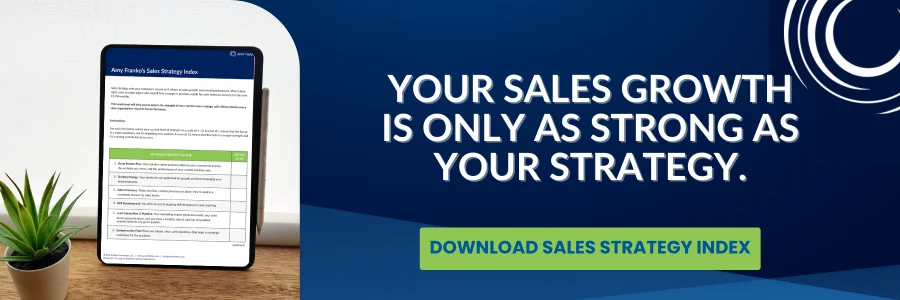
If you liked this video, take the next step by downloading my Sales Strategy Index. This Sales Strategy Index worksheet will help you to assess the strength of your current sales strategy, with 10 key factors every sales organization requires for performance.
Frequently Asked Questions
You should focus on four key relationship types: 1. Decision Makers – Individuals with budget authority and the power to approve or deny opportunities. 2. Influencers – People who shape or support the decision-making process, even if they don’t have final say. 3. Advocates – Internal or external allies who can make introductions or vouch for you. 4. Strategic Partners – Complementary individuals or organizations that can co-create opportunities or help you gain industry traction.
Influencers often guide or support the decision makers by offering advice, evaluating solutions, or providing internal credibility. In complex sales with multiple stakeholders, influencers can play a crucial role in shaping the outcome—even if they aren’t the ones signing off on the deal.
Strategic partners can introduce you to new accounts, co-host industry events, or collaborate on thought leadership content. Their credibility and reach can help you gain faster access to high-value relationships and open doors that would otherwise be hard to reach.
 Our Strategic Selling signature sales training program is now available online. This online sales learning program is ideal for professional services and B2B sales. Get started with 2 free lessons.